
From Overwhelmed Mom to Dedicated Advocate
I'm Natasha — a mom, a behavior support professional, and someone who's lived the version of what you're going
through right now.
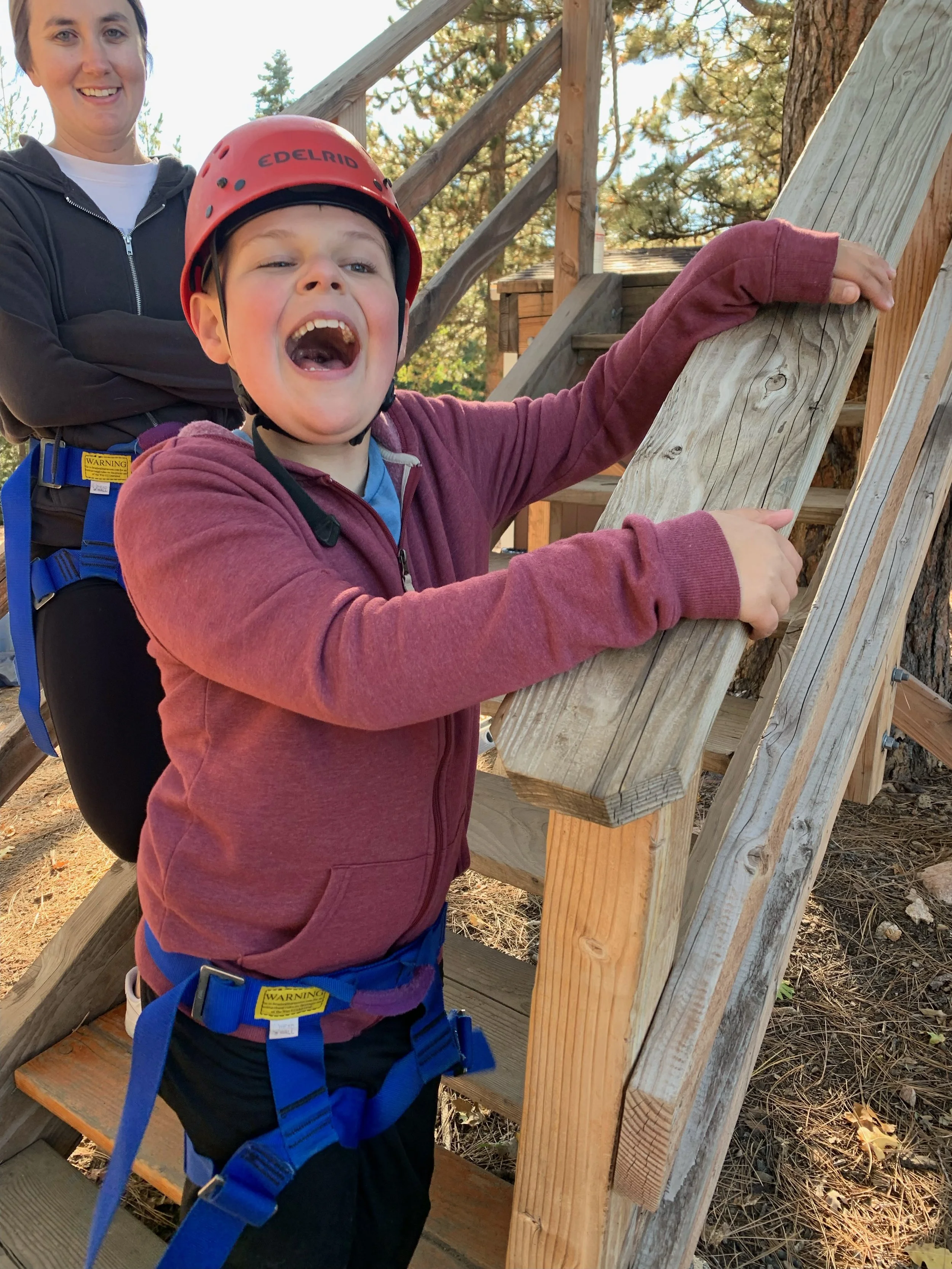
When my son Adam was diagnosed, I felt the same things you might be feeling reading this — overwhelmed, unsure where to turn, grieving a picture of the future I'd imagined. I became his full-time advocate not because I felt equipped to, but because I didn't have another choice. That started as survival. It turned into something bigger.

Why I Do This
Because No Parent Should Feel Alone in This
Years of hands-on experience followed — classrooms, clinics, homes. I spent countless hours sitting in therapy rooms, soaking in everything I could from Adam's team of therapists, behaviorists, and clinicians, often exhausted
and still showing up. Somewhere in that process, I realized I'd built more than personal insight — I'd built a real skill set, forged in the same uncertainty you might be sitting in right now.
My Professional Journey
That led me into the professional side of this work. I earned my BCAT (Behavior Certified Autism Technician) certification through Cortica Behavioral Health, supporting children across clinic, home, and school settings — everything from mild behavioral challenges to more significant aggression, always shaped around each child's specific needs and always aware of what that child's family was carrying at home.
From there, I worked as a paraprofessional in public special education classrooms, supporting students with a wide range of needs — including some of the most intensive academic and behavioral profiles I encountered — often stepping in as an informal assistant teacher to help with communication strategies, engagement, and lesson planning. I watched families in those classrooms carry the same fear and fatigue I knew personally, and it confirmed something I already suspected: parents don't need to be told to try harder. They need someone who actually understands what they're navigating.
Over a decade of IEP meetings, working alongside dozens of service providers, and navigating state and federal special
education systems have given me a skill set rooted in both lived experience and professional training — but the lived
experience came first, and it's still what drives how I work.
Today, I help families do what I had to learn how to do for Adam: sit with the hard feelings without being stuck by
them, figure out what's actually working, and coordinate the people supporting their child. But just as much, I help families look forward — in specific terms, not vague ones. Not “is my child hitting their goals,” but can they actually use that skill outside a therapy room? Does it make mornings easier, or communication clearer, or the world a little more accessible? Does it build real independence, or just compliance?
The future you're building toward may look different than the one you imagined — sometimes very different — but it can still be full,
meaningful, and genuinely happy. We figure out what that looks like for your child specifically, one generalizable
skill at a time, together.